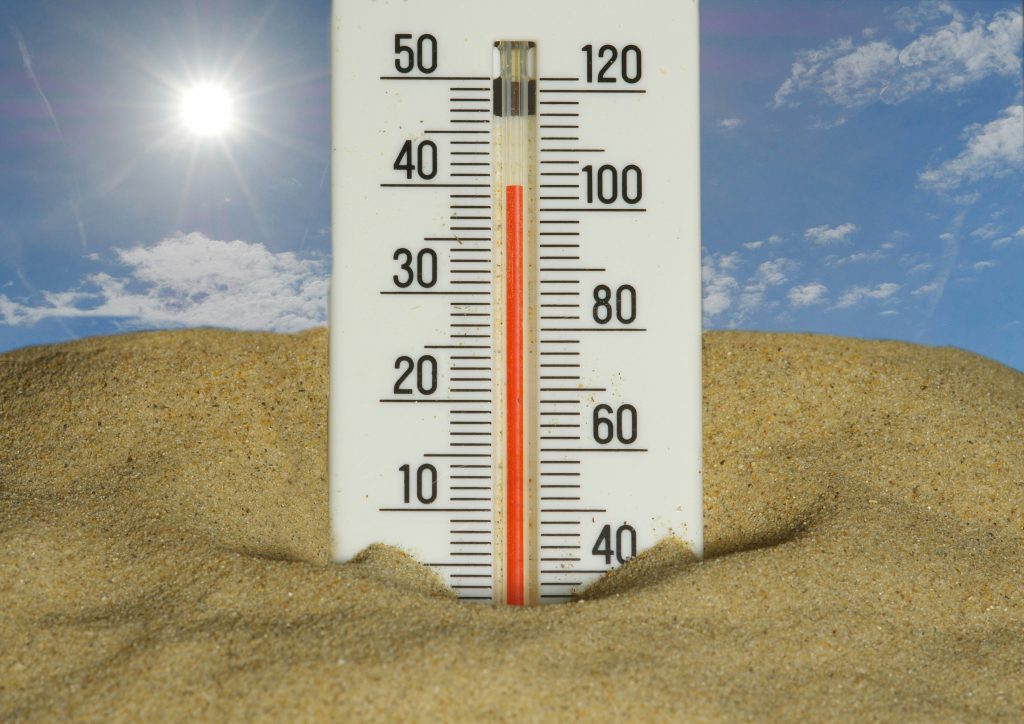
Next week is forecast to represent one of the hottest June weeks on record in the UK, which, for us fishkeepers, means aquarium cooling will be a hot topic… quite literally! Thankfully, keeping fish tank water temperatures down, even during a heatwave, is largely straightforward. What’s more, there’s usually little reason to panic as temperatures do start to creep up, as we’ll explain.
In a rush? We’ve bolded and colour-coded the key points below – easy!
With the exception of saltwater reef tanks and a few other very specialised types of aquarium setup, gradually rising temperatures—up to a point—aren’t too big of a deal as long as oxygen levels are maintained.
In a typical tropical freshwater fish tank, temperatures rising from 24 or 25 celsius to 27 or 28 degrees over the course of a few days won’t harm most fish as long as there’s plenty of oygen in the water, best achieved via surface agitation.
To do: How to reduce fish tank temperatures during hot weather
Create surface agitation
First, deal with the effects of rising temperatures before trying to manage them. Surface agitation increases oxygen levels which makes warmer water safer for the fish that live in it. Create surface agitation with an air pump or by positioning your filter output to noticeably break the water surface.
Use a cheap run-of-the-mill fan
Next, help to stabilise and slowly bring temperatures down using a fan. A cheap fan blowing across the surface of your tank’s water will do this beautifully. Keep some or all of the lid open or completely off when doing so, but do be mindful of any fish that might be likely to jump out if your aquarium is typically kept covered. Mitigate this with some form of jump guard or by lowering the water level by an inch or two.
You can safely leave a fan running in this fashion even on a tropical fish tank as, in the unlikely event that temperatures drop BELOW normal during a heatwave, your heater will kick back in to level them out. Alternatively, a heating- and cooling-focused plug-in temperature controller can be used to keep on top of things both in the short and longer term. We’ll share a blog post about this another day…
Don’t forget to top off evaporation
Be mindful that creating more agitation, using a fan, and running a tank without a lid will increase evaporation, so remember to keep topping off water lost to evaporation. Use dechlorinated water, just as you would in any water change, but a little cooler. In a saltwater tank this is a little different, obviously, but you get the idea.
It’s as simple as that, really. We look after countless tanks summer after summer, year in and year out, and almost without exception, these are all the steps we take.
What not to do: Avoid these common mistakes
Elsewhere, what not to do: Don’t try to cool your tank with frozen bottles or similar. This simply causes temperatures to fluctuate, which is more damaging than steady, warmer-than-usual temperatures where ample oxygen levels are accounted for. For the same reason, don’t attempt to do large, cold-water water changes either.
Elsewhere, people may recommend turning off lights or covering a tank to keep it in darkness or similar. Avoid turning off your tank lights in most cases. Modern LED lights give off little or no heat, so have no real bearing on tank temperatures. Turning them off or covering a tank only further stresses your fish by messing with their normal routine.
Furthermore, don’t worry about unplugging and plugging back in tank heaters. A fish tank heater will remain off in this weather; trust us. There’s no need to unplug it (and it’s one thing less to remember to do when temperatures come back down).
Other things to keep in mind
Other caveats: Maintaining a steady temperature is much more critical in a reef tank where corals, in particular, don’t appreciate fluctuations and will quickly die off. Here, follow the above advice first and foremost. But where these steps are less effective than necessary, installing an aquarium chiller may become a must. However, outside of saltwater fishkeeping, an aquarium chiller is overkill in 99 percent of cases. Even within saltwater fishkeeping in the UK, most tanks will never require a chiller.
Away from tropical freshwater and saltwater fish, indoor goldfish and temperate-water fish species don’t tend to mind a temporary increase in water temperature as long as there’s plenty of oxygen available but, ideally, keeping things on the cooler end is always going to be better.
In any tank, away from reef-keeping and with the exception of aquariums for discus and other specifically very warm-water-preferring fish, temperatures for tropical freshwater fish species really need to stay below 29 or 30 degrees. This shouldn’t be a problem with the above steps in place. However, where a tank is in a conservatory or similar, additional steps and precautions may be necessary to avoid levels climbing into this danger zone.
Any other questions? Feel free to give us a call anytime on 01706 599325.